[E-commerce &|Desarrollo web]

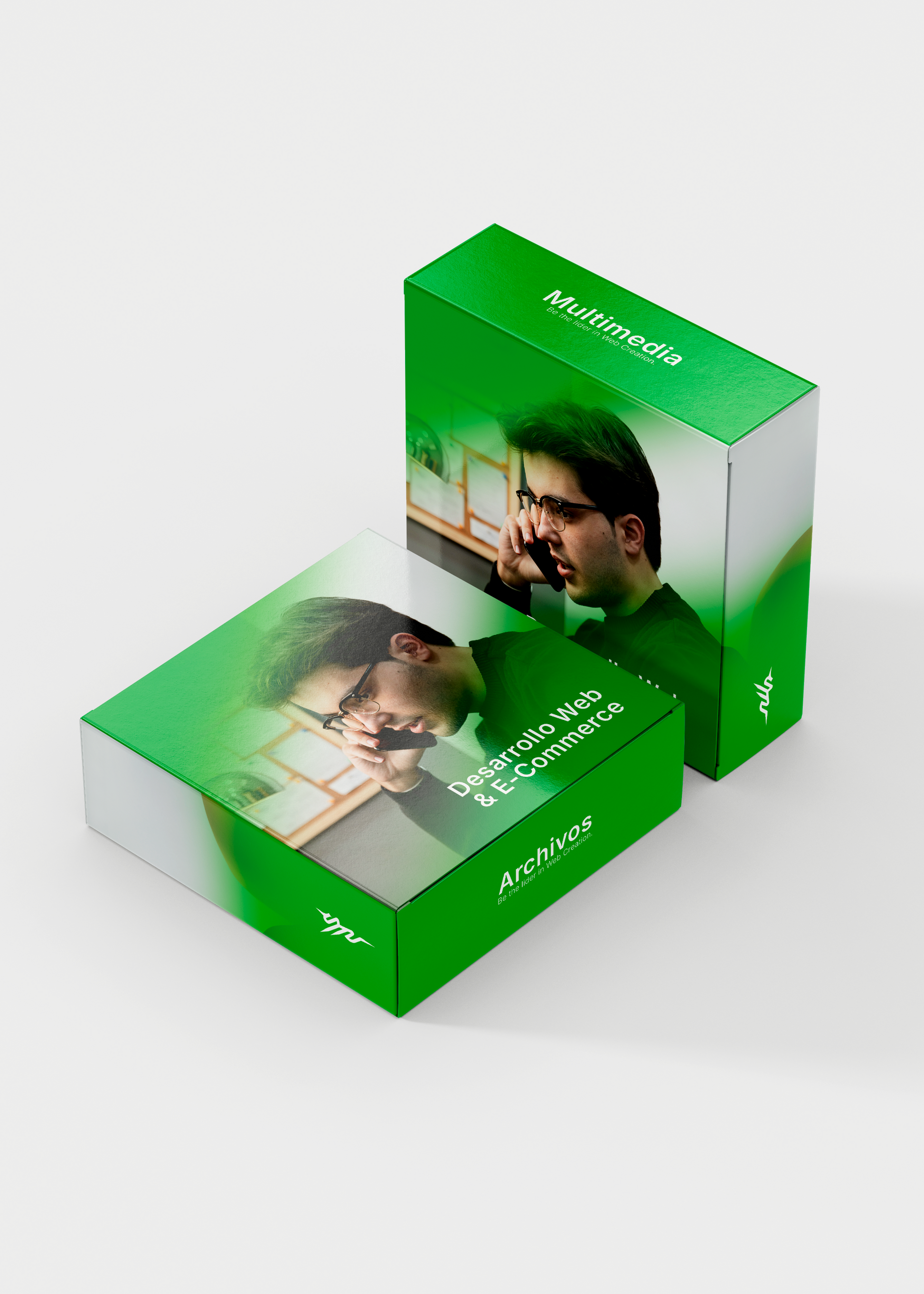
Web Development & Ecommerce
- Regular price
- €999,00
- Sale price
- €999,00
- Regular price
-
€1.500,00
Once the service has been contracted, whether through financing or direct payment, you will be able to access the corresponding invoice from your profile on our website, with the option to download it at any time.
Your ordersWe recommend that you carefully read the terms and conditions of all our policies, since by making payment for any of our services, you automatically accept said policies as part of the contract.
Our policiesIf you have any questions, please do not hesitate to contact us via live chat, available during business hours, or by using the form in the "Contact" section, which is active 24 hours a day.
Contact us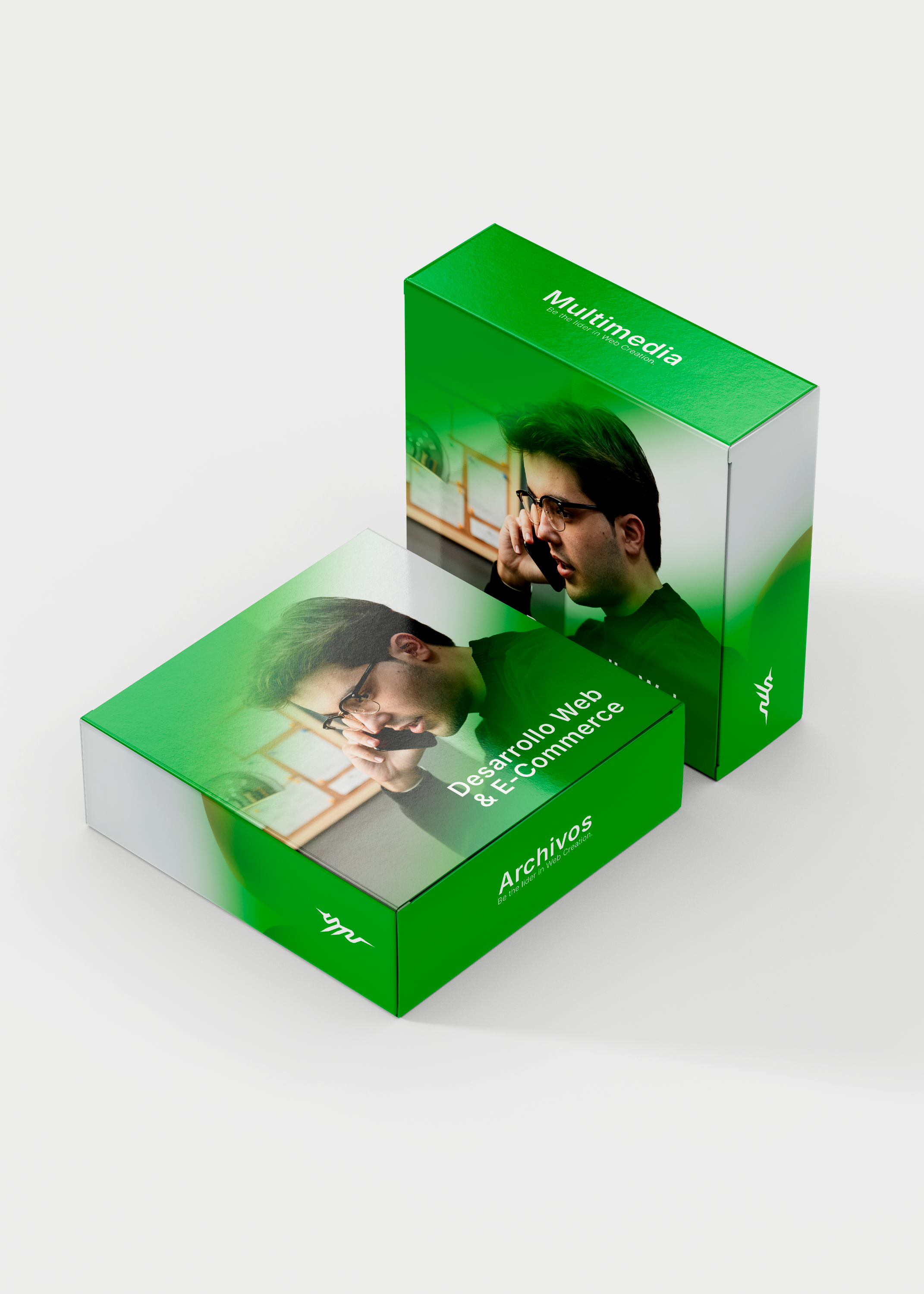
Module 1: E-commerce Basics
What is e-commerce? Basic concepts.
The importance of e-commerce today.
Module 2: Types and Evolution
Types of e-commerce: Dropshipping, products, and digital services.
The evolution of e-commerce and business opportunities.
Module 1: Shopify Basics
What is Shopify? Platform overview.
Differences between Shopify and other e-commerce platforms.
Why choose Shopify for your online store?
Module 1: Registration and Initial Setup
How to register on Shopify. Choosing the right plan for your needs.
Complete store setup.
Module 2: Basic Design Customization
Choosing and applying a default Shopify theme.
Basic color and typography customization. Creating the first pages: home, contact, etc.
Adding and organizing products in the inventory.
Module 1: Visual Design of Your Shopify Store
Choosing a suitable theme for your market niche.
Advanced customization of your store
Using drag-and-drop functionality to create sections and design your homepage.
Creating striking banners, sliders, and visual sections.
Module 2: Mobile Design Optimization
Responsive design: how to adapt your store for mobile devices.
Shopify tools to review and adjust how your store looks on different devices.
Ensuring the mobile purchasing process is agile and user-friendly.
Module 3: Store Organization
How to correctly structure product categories (collections and subcollections).
Product tags and filters for better navigation.
Optimizing user flow: helping customers quickly find what they're looking for.
Module 1: Marketing Strategies for Customer Acquisition
Creating a sales funnel: how to create strategies that convert visitors into paying customers.
Social Media Ads: How to use Instagram, Facebook, and TikTok to attract customers to your store.
Google Shopping Ads: how to create campaigns so your products appear directly in Google search results.
Module 2: Store Functionality and Conversion
How to ensure your store has smooth navigation (so customers find what they're looking for effortlessly).
Shopping cart optimization: making the checkout process quick and easy.
Removing friction: how to minimize distractions during the buying process (like long forms or unnecessary steps).
Payment flow optimization: offering multiple payment options and ensuring mobile payment works perfectly.
Module 3: Conversion Marketing
Using landing pages designed to convert visitors into buyers.
Conversion-focused digital marketing strategies: social media ads and Google Ads, adapted to maximize conversion.
Calls to Action (CTAs): how to place eye-catching and persuasive buttons so users take the next step (buy, subscribe, contact).
Urgency and scarcity techniques: using limited-time offers, countdowns, or low stock to encourage immediate purchases.
Module 4: Psychology of Conversion
How to understand user behavior to facilitate their purchase.
Visual design and how it influences purchasing decisions: how colors, images, and element arrangement impact conversion.
Creating testimonials and product reviews that validate the purchase decision and increase customer trust.
The use of social proof (like how many users have bought a product) to influence purchasing decisions.
Module 1: How to Turn New Customers into Repeat Customers
Customer retention strategies: how to build a loyal customer base that buys repeatedly.
Rewards programs: offer incentives like discounts for repeat purchases, points, or early access to products.
Follow-up email marketing: how to get customers who abandoned their cart to complete the purchase.
Module 2: Post-Sale Optimization for Conversion
Conducting post-purchase surveys to improve the process and understand why customers buy or don't buy.
Upselling and cross-selling on the thank you page or in post-purchase emails.
Ensuring that related or complementary products are visible during the purchasing process.
Module 1: Data Analysis and Continuous Improvement
Using Google Analytics to analyze your store's traffic.
How to interpret Shopify metrics: conversion rate, cart abandonment, etc.
Conducting A/B tests to improve performance.
Module 2: Growth Strategies and New Features
Advanced marketing: advertising on Facebook Ads, Google Ads, and other channels.
Adding advanced features to the store such as AI integration for recommendations.
Improving customer experience through personalization (recommended products, pop-ups, etc.).
Module 3: Emerging Trends and Tools
Exploring the latest e-commerce trends (augmented reality, personalized experiences).
Implementing new tools to increase productivity (automation, Shopify apps).
Staying up-to-date on new Shopify updates.
Do you want to stand out from your competition?
At Agora training, we have professionals who will support you throughout the process.
Skills
Design
Management
Conversion
Creativity
You will be remembered